A Brief History of Fascinators: From Royal Courts to Modern Race Day Glamour
Fascinators have become a defining symbol of British millinery, elegant race day style, and statement occasionwear. Whether worn at Royal Ascot, weddings, or high-society garden parties, fascinators continue to evolve—blending tradition with bold contemporary fashion.
If you’re searching for the history of fascinators, their royal connections, or how they became a modern fashion essential, here’s everything you need to know.
The Origins of Fascinators (17th–18th Century Europe)
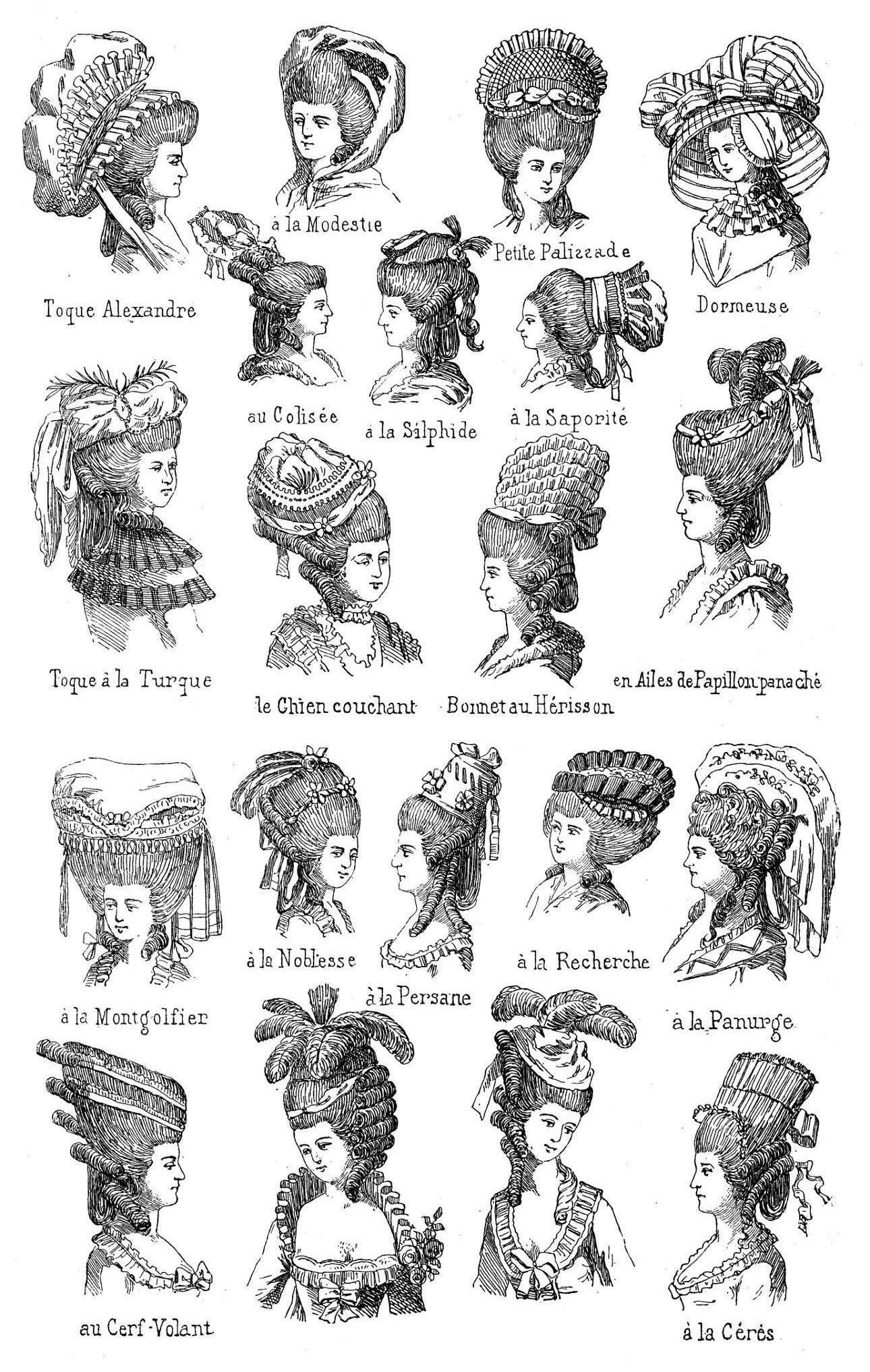
The word fascinator originally described a delicate lace or lightweight head covering worn by European women in the late 17th and 18th centuries. These early fascinators were often crafted from lace, tulle, or fine silk and worn draped over elaborate hairstyles.
During the Georgian and Rococo eras, aristocratic women embraced extravagant hair accessories adorned with feathers, ribbons, and jewels. While not identical to today’s fascinators, these decorative headpieces laid the foundation for modern millinery trends.
The Rise of Decorative Headpieces (19th–Early 20th Century)
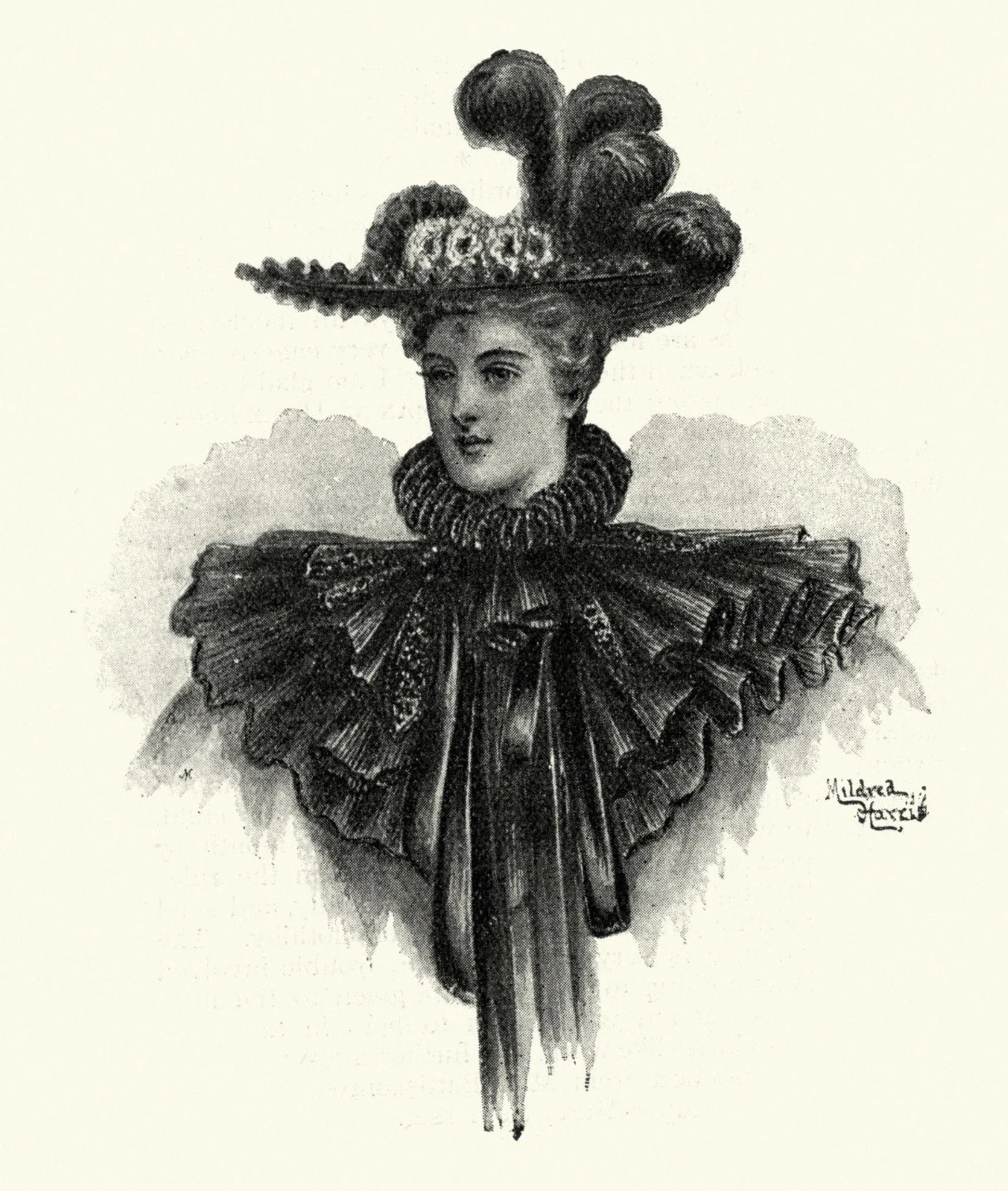
In the Victorian and Edwardian periods, hats became larger and more sculptural. Feathers, flowers, and even entire birds were used in millinery design. As hat styles evolved, smaller decorative alternatives began emerging—particularly for indoor events.
By the early 20th century, compact headpieces gained popularity, especially as hairstyles became sleeker in the 1920s. These lighter, more playful designs were the direct ancestors of today’s wedding fascinators and cocktail headpieces.
Royal Influence & The Modern Fascinator Revival
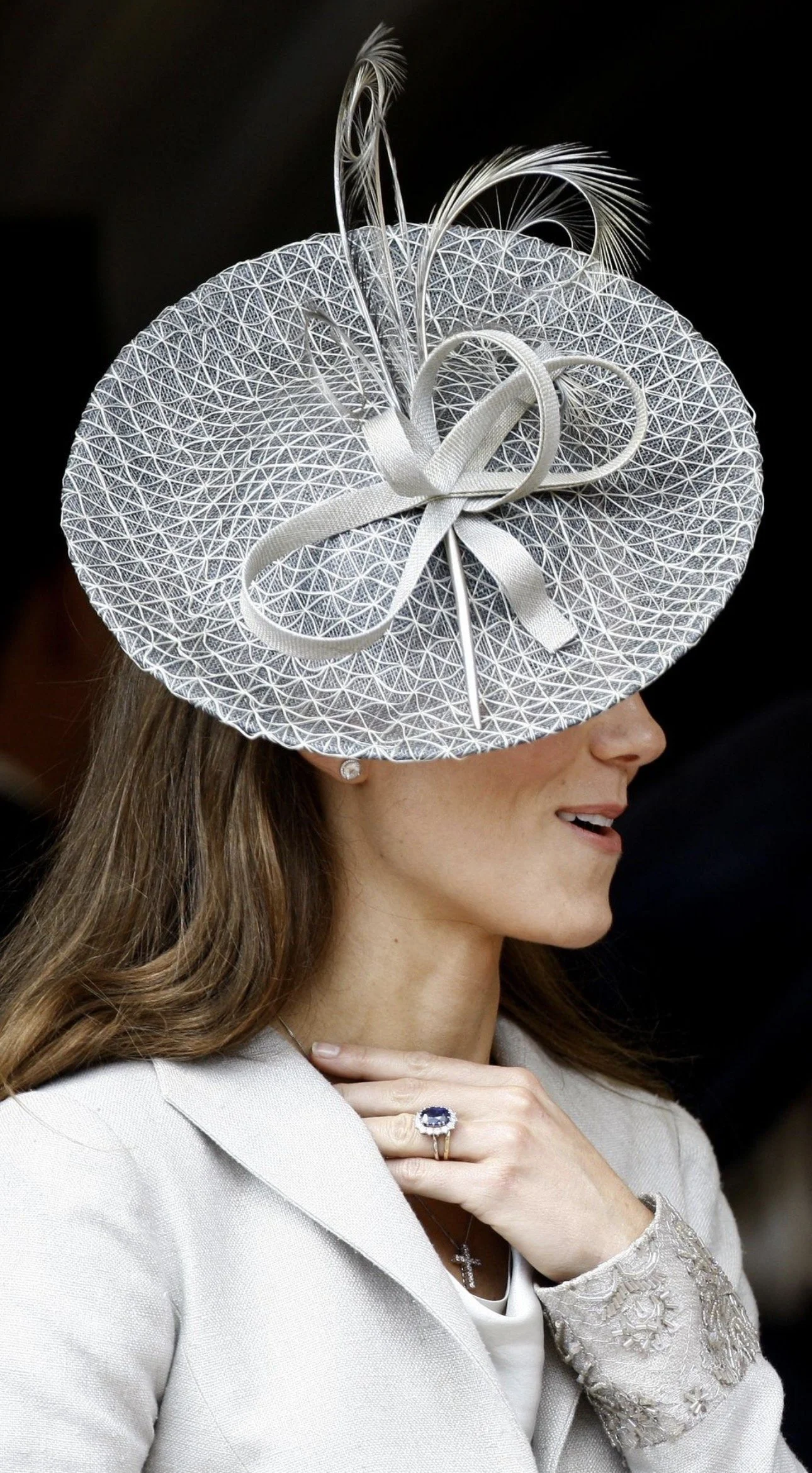
The modern fascinator as we know it gained international attention thanks to the British Royal Family and high-profile events like Royal Ascot.
In 2011, Princess Beatrice made headlines at the wedding of Prince William and Catherine, Princess of Wales with her avant-garde Philip Treacy headpiece—sparking global searches for “royal fascinators” and “statement headwear.”
Since then, fascinators have become synonymous with:
Royal weddings
Race day fashion
Mother-of-the-bride styling
Luxury millinery
Designer headwear
Fascinators in Contemporary Fashion
Today, fascinators range from minimalist sinamay bows to theatrical sculptural masterpieces. Contemporary milliners experiment with:
Hand-dyed feathers
Sinamay and parasisal
Swarovski embellishments
3D printed structures
Sustainable couture materials
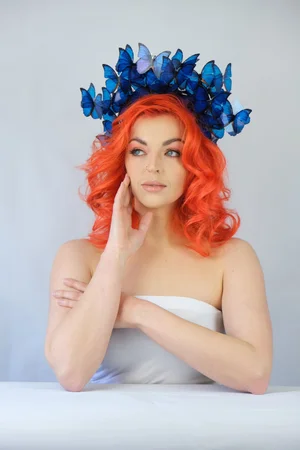
From subtle wedding fascinators to bold avant-garde runway headpieces, the fascinator remains one of the most expressive forms of millinery design.
Given your work in theatrical, McQueen-inspired concepts and statement headwear, this evolution toward sculptural and narrative fascinators shows how the piece has shifted from simple adornment to wearable art.
Why Fascinators Remain a Timeless Fashion Staple
Fascinators endure because they offer:
Elegance without the weight of a full hat
Sculptural drama in compact form
Versatility for weddings, races, and formal events
A strong connection to British heritage fashion
From Georgian lace veils to Royal Ascot showstoppers, the fascinator has transformed into a global symbol of occasion dressing and luxury millinery craftsmanship.
Check out our latest designs or contact us to discuss your custom made fascinator. We can work with you to create your perfect Fascinator or headpiece.